How a Dirty Air Conditioner Filter Can Lead to Costly Repairs

How a Dirty Air Conditioner Filter Can Lead to Costly Repairs

KEY TAKEAWAYS:

  • A dirty air conditioner filter can cause reduced airflow, higher energy bills, and system strain.
  • Ignoring your filter can lead to major repairs like frozen coils and overheating.
  • Changing your filter regularly is one of the easiest ways to extend the life of your AC.


When it comes to air conditioning maintenance, few things are as simple — or as often overlooked — as the air filter. It’s easy to forget it’s even there, quietly trapping dust, pollen, and other airborne particles. But when left unchecked, a dirty air conditioner filter can be the hidden culprit behind a host of AC problems.

If you’ve noticed your home isn’t cooling like it used to, or your energy bills are creeping up, it might not be your system that’s failing; it could just be your filter begging for attention.

Why a Dirty Air Conditioner Filter Is a Big Deal
How a Dirty Air Conditioner Filter Can Lead to Costly Repairs

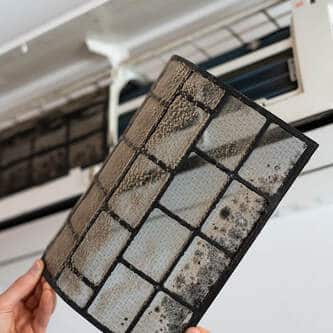
Think of your AC filter as your system’s first line of defense. It protects your air conditioner from the debris circulating in your home’s air. Over time, that filter becomes clogged with dust, pet hair, pollen, and even mold spores. When airflow gets restricted, your AC has to work harder to push air through the system.

This strain doesn’t just mean your unit is less efficient; it can lead to serious damage. And yes, that means expensive repairs down the road.

Common Problems Caused by a Dirty Air Conditioner Filter

Let’s break down a few of the most common AC issues that can be traced back to one small — but mighty — component: the filter.

1). Frozen Evaporator Coils

When a dirty air conditioner filter restricts airflow, the evaporator coils can get too cold and freeze. This prevents your system from absorbing heat, and suddenly you’ve got a unit blowing warm air — if it’s blowing at all.

2). Overheating and System Shutdowns

Lack of airflow can cause parts of your system, especially the blower motor, to overheat. That not only shortens the life of those components but can lead to your entire system shutting down to prevent damage.

3). Higher Energy Bills

When your AC has to work harder to cool your home, it uses more electricity. Over time, those extra dollars add up — especially during the hot summer months.

4). Poor Indoor Air Quality

A dirty air conditioner filter can’t trap pollutants effectively. That means more dust, allergens, and contaminants circulating in your home — something you especially want to avoid if anyone in the household has allergies or asthma.

5). Short Cycling

This is when your AC turns on and off more frequently than it should. It’s inefficient, hard on your system, and often caused by overheating due to — you guessed it — a clogged filter.

How Often Should You Change Your AC Filter?

​Your ideal replacement schedule depends on a few factors:

  • Standard 1” filters should be changed every 1–3 months.
  • Homes with pets should check and change filters more frequently.
  • High-efficiency filters may last longer but should still be inspected monthly during peak seasons.


It only takes a few minutes to change a filter, but that small effort can prevent the big headaches that come with ignoring a dirty air conditioner filter.
Don’t Let a Dirty Air Conditioner Filter Take Down Your System

At HVAC Solutions, we believe in solving problems before they become emergencies. Whether your AC needs a tune-up, you’re dealing with poor airflow, or you’re just not sure when you last changed your filter — we’ve got you covered. Contact our team today to schedule a service call or inspection. Let’s keep your home cool, your air clean, and your system running strong!

How a Dirty Air Conditioner Filter Can Lead to Costly Repairs

KEY TAKEAWAYS:

  • A dirty air conditioner filter can cause reduced airflow, higher energy bills, and system strain.
  • Ignoring your filter can lead to major repairs like frozen coils and overheating.
  • Changing your filter regularly is one of the easiest ways to extend the life of your AC.


When it comes to air conditioning maintenance, few things are as simple — or as often overlooked — as the air filter. It’s easy to forget it’s even there, quietly trapping dust, pollen, and other airborne particles. But when left unchecked, a dirty air conditioner filter can be the hidden culprit behind a host of AC problems.

If you’ve noticed your home isn’t cooling like it used to, or your energy bills are creeping up, it might not be your system that’s failing; it could just be your filter begging for attention.

Why a Dirty Air Conditioner Filter Is a Big Deal

How a Dirty Air Conditioner Filter Can Lead to Costly Repairs

Think of your AC filter as your system’s first line of defense. It protects your air conditioner from the debris circulating in your home’s air. Over time, that filter becomes clogged with dust, pet hair, pollen, and even mold spores. When airflow gets restricted, your AC has to work harder to push air through the system.

This strain doesn’t just mean your unit is less efficient; it can lead to serious damage. And yes, that means expensive repairs down the road.

Common Problems Caused by a Dirty Air Conditioner Filter

Let’s break down a few of the most common AC issues that can be traced back to one small — but mighty — component: the filter.

1). Frozen Evaporator Coils

When a dirty air conditioner filter restricts airflow, the evaporator coils can get too cold and freeze. This prevents your system from absorbing heat, and suddenly you’ve got a unit blowing warm air — if it’s blowing at all.

2). Overheating and System Shutdowns

Lack of airflow can cause parts of your system, especially the blower motor, to overheat. That not only shortens the life of those components but can lead to your entire system shutting down to prevent damage.

3). Higher Energy Bills

When your AC has to work harder to cool your home, it uses more electricity. Over time, those extra dollars add up — especially during the hot summer months.

4). Poor Indoor Air Quality

A dirty air conditioner filter can’t trap pollutants effectively. That means more dust, allergens, and contaminants circulating in your home — something you especially want to avoid if anyone in the household has allergies or asthma.

5). Short Cycling

This is when your AC turns on and off more frequently than it should. It’s inefficient, hard on your system, and often caused by overheating due to — you guessed it — a clogged filter.

How Often Should You Change Your AC Filter?

​Your ideal replacement schedule depends on a few factors:

  • Standard 1” filters should be changed every 1–3 months.
  • Homes with pets should check and change filters more frequently.
  • High-efficiency filters may last longer but should still be inspected monthly during peak seasons.


It only takes a few minutes to change a filter, but that small effort can prevent the big headaches that come with ignoring a dirty air conditioner filter.

Don’t Let a Dirty Air Conditioner Filter Take Down Your System

At HVAC Solutions, we believe in solving problems before they become emergencies. Whether your AC needs a tune-up, you’re dealing with poor airflow, or you’re just not sure when you last changed your filter — we’ve got you covered. Contact our team today to schedule a service call or inspection. Let’s keep your home cool, your air clean, and your system running strong!

Latest Posts

The Ultimate Guide to Ducted Air Conditioning Maintenance Here’s how to best take care of ducted air conditioning

“I need a compact air conditioner. Are portable air conditioning units any good?” Great question! Portable air conditioners

“I’ve owned the same air conditioner for years, and it suddenly broke down! Why did my air conditioner