KEY TAKEAWAYS:
- Colorado’s dry climate can make indoor air feel cooler but can also cause humidity and AC imbalances.
- Low humidity can lead to dry air, irritated sinuses, and static electricity, while excess humidity can make your AC work harder.
- Proper AC maintenance and the use of humidifiers or dehumidifiers can help keep your home comfortable year-round.
- An HVAC professional can fine-tune your system to work efficiently in Colorado’s unique climate.
Colorado is known for its breathtaking mountain views, endless blue skies, and — let’s be honest — its dry air. While most people think of humidity as a swampy, summer nightmare, the reality is that humidity and AC performance go hand in hand, even in a dry climate like ours.
If your home feels uncomfortable — whether it’s too dry in the winter or oddly sticky in the summer — your air conditioner might be struggling to balance humidity levels. Let’s break down how humidity and AC interact and how you can optimize your home’s comfort year-round.
Humidity and AC: Why Colorado Homes Have Unique Challenges
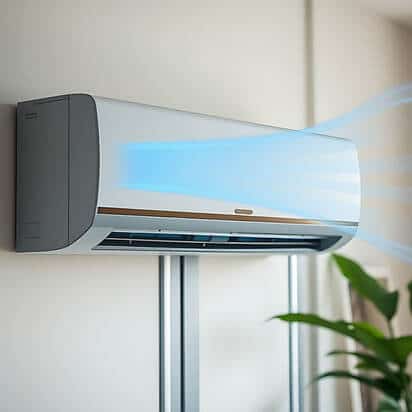
Unlike states with high humidity, where AC units battle excess moisture, Colorado homes often deal with the opposite problem — air that’s too dry. However, summer storms or poorly ventilated homes can still create pockets of high humidity that affect AC performance.
When humidity is too high, your AC has to work overtime to remove moisture from the air before it can cool your home. When humidity is too low, your home can feel cooler but also drier and less comfortable.
Does Humidity Affect AC Performance?
Too Much Humidity: When Your AC Works Overtime
While Colorado isn’t known for extreme humidity, it does happen — especially during monsoon season or in homes with poor ventilation. If humidity levels creep above 50-60%, your AC will struggle to cool your home effectively.
Signs of High Humidity in Your Home:
- Your home feels sticky or clammy even when the AC is running.
- The air feels warmer than the thermostat setting.
- Your AC runs longer than usual and struggles to reach the set temperature.
- You notice condensation on windows or vents.
How to Fix It:
- Use a dehumidifier to remove excess moisture.
- Make sure your home has proper ventilation, especially in bathrooms and kitchens.
- Have your AC system checked to ensure it’s sized correctly for your home—an oversized unit may cool too quickly without removing enough moisture.
Humidity and AC: What Happens When It’s Too Low?
Too Little Humidity: When Dry Air Causes Discomfort
Colorado’s climate leans toward the dry side year-round, but in the winter, indoor humidity can drop below 20% — leading to some seriously uncomfortable conditions. Even though dry air makes the heat feel more bearable in the summer, it can create health and comfort issues inside your home.
Signs of Low Humidity in Your Home:
Dry skin, irritated sinuses, and more frequent colds or allergies.
Increased static electricity — shock your pet one too many times? That’s low humidity at work.
Wood furniture, floors, or musical instruments cracking or warping.
The air feels stale or dusty, even when your AC is running.
How to Fix It:
- Install a whole-home humidifier to maintain balanced humidity.
- Run a portable humidifier in rooms where you spend the most time.
- Use your AC’s fan mode occasionally to help circulate moisture evenly.
How to Optimize Humidity and AC Performance in Colorado
Balancing humidity and AC is key to making your home as comfortable and energy-efficient as possible. Here are some extra steps you can take:
- Monitor Your Humidity Levels – A hygrometer (humidity sensor) can help you keep track of indoor moisture levels.
- Schedule Regular AC Maintenance – A tune-up ensures your system is working efficiently, especially if it’s struggling with humidity issues.
- Upgrade to a Smart Thermostat – Many modern thermostats can adjust AC performance based on humidity levels, keeping your home balanced year-round.
- Consider a Dual System – If you struggle with humidity swings, pairing your AC with a humidifier in winter and a dehumidifier in summer can create the perfect indoor climate.
Keep Your Home Comfortable Year-Round
Colorado’s dry climate means humidity levels can fluctuate more than you realize, and your AC system plays a huge role in keeping your home comfortable. Whether you’re dealing with excess humidity in the summer or bone-dry air in the winter, the right HVAC setup can make all the difference.
At HVAC Solutions, we specialize in premium AC solutions. If you’re struggling with humidity and AC issues, contact us today for expert solutions tailored to your home!