Carbon Monoxide Risks & Your Furnace: How to Stay Safe This Winter

Carbon Monoxide Risks & Your Furnace: How to Stay Safe This Winter

KEY TAKEAWAYS:

  • Carbon monoxide risks are a real threat if your furnace isn’t properly maintained.
  • Warning signs of a potential carbon monoxide leak include headaches, dizziness, and flu-like symptoms.
  • Regular furnace maintenance, proper ventilation, and carbon monoxide detectors can help protect your home.
  • If you suspect a leak, turn off your furnace, ventilate your home, and call an HVAC professional immediately.

Understanding Carbon Monoxide Risks in Your Home

Winter is here, and that means your furnace is working overtime to keep your home warm and cozy. But while you’re enjoying the heat, there’s a hidden danger that many homeowners overlook: carbon monoxide risks. This colorless, odorless gas is a byproduct of burning fuel, and if it leaks into your home, it can be deadly.
The good news? With a little knowledge and some proactive maintenance, you can keep your family safe from carbon monoxide exposure. Let’s break it down.

How Do Carbon Monoxide Leaks Happen?

Your furnace is designed to vent harmful gases safely outside your home, but when something goes wrong — like a cracked heat exchanger, a blocked vent, or a malfunctioning burner — carbon monoxide risks increase significantly. Instead of being safely expelled, carbon monoxide can seep into your living spaces, putting everyone at risk.

Common causes of carbon monoxide leaks include:

  • Cracked or rusted heat exchangers
  • Blocked or disconnected vent pipes
  • Incomplete combustion due to dirty burners
  • Poor ventilation in confined spaces
  • Backdrafting from other appliances

Because carbon monoxide is invisible and has no smell, it’s impossible to detect without a proper alarm. That’s why taking precautions is crucial.
Carbon Monoxide Risks & Your Furnace: How to Stay Safe This Winter

Warning Signs of Carbon Monoxide Poisoning

One of the scariest things about carbon monoxide risks is that exposure can mimic common illnesses. If your furnace is leaking carbon monoxide, you or your family members might experience:
  • Headaches
  • Dizziness
  • Nausea
  • Confusion
  • Shortness of breath
  • Flu-like symptoms that seem to improve when you leave the house

In severe cases, prolonged exposure can lead to unconsciousness or even death. If you suspect a carbon monoxide leak, take action immediately.

How to Protect Your Home from Carbon Monoxide Risks

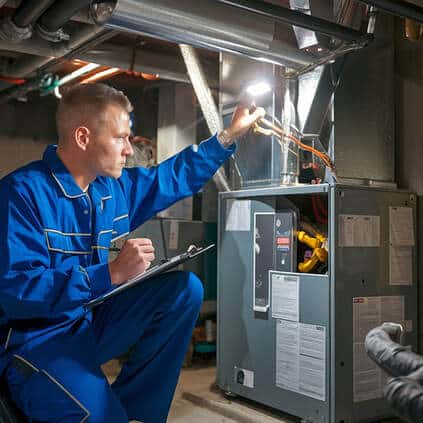
  1. Schedule Regular Furnace Maintenance Routine maintenance is the easiest way to prevent carbon monoxide risks. A professional HVAC technician can inspect your furnace, clean the burners, check for cracks, and ensure your system is venting properly.
  2. Install Carbon Monoxide Detectors Every home with a gas furnace should have carbon monoxide detectors installed on every level, especially near bedrooms. Test them regularly and replace the batteries twice a year.
  3. Keep Vents & Flues Clear Blocked vents can cause carbon monoxide to back up into your home. Make sure snow, leaves, or debris aren’t obstructing your furnace’s exhaust pipe.
  4. Never Use Outdoor Appliances Indoors It may seem obvious, but people sometimes use outdoor heaters, generators, or grills inside their homes or garages for extra warmth. This is a huge carbon monoxide hazard and should always be avoided.
  5. Know When to Call a Professional If your carbon monoxide detector goes off or you notice signs of a leak, don’t take any chances. Turn off your furnace, open windows to ventilate, and get out of the house. Then, call an HVAC professional immediately.

What to Do If You Suspect Carbon Monoxide in Your Home

Immediate Steps to Reduce Carbon Monoxide Risks

If you ever think there’s a carbon monoxide leak in your home, follow these steps:

  1. Turn off your furnace and any other fuel-burning appliances.
  2. Ventilate your home by opening windows and doors.
  3. Evacuate immediately — don’t try to “wait it out.”
  4. Call 911 if anyone is experiencing symptoms.
  5. Schedule an emergency HVAC inspection to find and fix the problem.
Ignoring a potential leak is dangerous, so always err on the side of caution.

Stay Safe This Winter with HVAC Solutions

Don’t let carbon monoxide risks put your family in danger. The best way to protect your home is with regular furnace maintenance from a trusted HVAC expert. At HVAC Solutions, we specialize in furnace inspections, repairs, and tune-ups to keep your system running safely and efficiently.

Call HVAC Solutions today to schedule your furnace service and enjoy a warm, worry-free winter. Your safety is our priority!
Carbon Monoxide Risks & Your Furnace: How to Stay Safe This Winter

KEY TAKEAWAYS:

  • Carbon monoxide risks are a real threat if your furnace isn’t properly maintained.
  • Warning signs of a potential carbon monoxide leak include headaches, dizziness, and flu-like symptoms.
  • Regular furnace maintenance, proper ventilation, and carbon monoxide detectors can help protect your home.
  • If you suspect a leak, turn off your furnace, ventilate your home, and call an HVAC professional immediately.

Understanding Carbon Monoxide Risks in Your Home

Winter is here, and that means your furnace is working overtime to keep your home warm and cozy. But while you’re enjoying the heat, there’s a hidden danger that many homeowners overlook: carbon monoxide risks. This colorless, odorless gas is a byproduct of burning fuel, and if it leaks into your home, it can be deadly.
The good news? With a little knowledge and some proactive maintenance, you can keep your family safe from carbon monoxide exposure. Let’s break it down.

How Do Carbon Monoxide Leaks Happen?

Your furnace is designed to vent harmful gases safely outside your home, but when something goes wrong — like a cracked heat exchanger, a blocked vent, or a malfunctioning burner — carbon monoxide risks increase significantly. Instead of being safely expelled, carbon monoxide can seep into your living spaces, putting everyone at risk.

Common causes of carbon monoxide leaks include:

  • Cracked or rusted heat exchangers
  • Blocked or disconnected vent pipes
  • Incomplete combustion due to dirty burners
  • Poor ventilation in confined spaces
  • Backdrafting from other appliances

Because carbon monoxide is invisible and has no smell, it’s impossible to detect without a proper alarm. That’s why taking precautions is crucial.

Carbon Monoxide Risks & Your Furnace: How to Stay Safe This Winter

Warning Signs of Carbon Monoxide Poisoning

One of the scariest things about carbon monoxide risks is that exposure can mimic common illnesses. If your furnace is leaking carbon monoxide, you or your family members might experience:
  • Headaches
  • Dizziness
  • Nausea
  • Confusion
  • Shortness of breath
  • Flu-like symptoms that seem to improve when you leave the house

In severe cases, prolonged exposure can lead to unconsciousness or even death. If you suspect a carbon monoxide leak, take action immediately.

How to Protect Your Home from Carbon Monoxide Risks

  1. Schedule Regular Furnace Maintenance Routine maintenance is the easiest way to prevent carbon monoxide risks. A professional HVAC technician can inspect your furnace, clean the burners, check for cracks, and ensure your system is venting properly.
  2. Install Carbon Monoxide Detectors Every home with a gas furnace should have carbon monoxide detectors installed on every level, especially near bedrooms. Test them regularly and replace the batteries twice a year.
  3. Keep Vents & Flues Clear Blocked vents can cause carbon monoxide to back up into your home. Make sure snow, leaves, or debris aren’t obstructing your furnace’s exhaust pipe.
  4. Never Use Outdoor Appliances Indoors It may seem obvious, but people sometimes use outdoor heaters, generators, or grills inside their homes or garages for extra warmth. This is a huge carbon monoxide hazard and should always be avoided.
  5. Know When to Call a Professional If your carbon monoxide detector goes off or you notice signs of a leak, don’t take any chances. Turn off your furnace, open windows to ventilate, and get out of the house. Then, call an HVAC professional immediately.

What to Do If You Suspect Carbon Monoxide in Your Home

Immediate Steps to Reduce Carbon Monoxide Risks

If you ever think there’s a carbon monoxide leak in your home, follow these steps:

  1. Turn off your furnace and any other fuel-burning appliances.
  2. Ventilate your home by opening windows and doors.
  3. Evacuate immediately — don’t try to “wait it out.”
  4. Call 911 if anyone is experiencing symptoms.
  5. Schedule an emergency HVAC inspection to find and fix the problem.
Ignoring a potential leak is dangerous, so always err on the side of caution.

Stay Safe This Winter with HVAC Solutions

Don’t let carbon monoxide risks put your family in danger. The best way to protect your home is with regular furnace maintenance from a trusted HVAC expert. At HVAC Solutions, we specialize in furnace inspections, repairs, and tune-ups to keep your system running safely and efficiently.

Call HVAC Solutions today to schedule your furnace service and enjoy a warm, worry-free winter. Your safety is our priority!

Latest Posts

The Ultimate Guide to Ducted Air Conditioning Maintenance Here’s how to best take care of ducted air conditioning

“I need a compact air conditioner. Are portable air conditioning units any good?” Great question! Portable air conditioners

“I’ve owned the same air conditioner for years, and it suddenly broke down! Why did my air conditioner