Gas vs. Electric Heating: Which Is Best for Your Home?

Gas vs. Electric Heating: Which Is Best for Your Home?

KEY TAKEAWAYS:

    • Electric Heating:
      • Easier Installation & Maintenance: Lower initial costs and minimal maintenance.
      • Eco-Friendly Option: Especially when paired with renewable energy sources.
      • Safe & Quiet: No risk of harmful fumes and operates silently.
      • Higher Operating Costs: Typically more expensive to run than gas heating
  •  
    • Gas Heating:
      • Lower Operating Costs: Natural gas is typically cheaper than electricity, lowering monthly bills.
      • High Heat Output: Heats up quickly and efficiently, ideal for larger spaces.
      • SRegular Maintenance Required: Needs filter changes and inspections to stay safe.
      • Minor Risks: Requires carbon monoxide detectors due to potential leaks.
  •  
    • Choosing the Right System:
      • Consider budget, home size, and environmental impact.
      • Gas is efficient and cost-effective long-term; electric is safer, quieter, and greener.


When the temperature drops, having a reliable heating system makes all the difference. But if you’re looking to replace or install a new system, you’ve got a big decision ahead of you: should you go with a gas or electric heating system? Both have their perks, and the right choice depends on your home, budget, and even your lifestyle.
Let’s break down the differences, benefits, and a few things to consider when choosing between gas and electric heating. By the end, you’ll hopefully have a better idea of what will keep you cozy (and save you money) when those winter winds start blowing.

  •  


Gas Heating: The Traditional Powerhouse

Gas heating has long been a favorite for homeowners, and there are plenty of reasons why! If your home is already set up for natural gas, it’s usually the easiest choice. Here are some reasons why many people stick with gas:

  • Lower Operating Costs: Natural gas tends to be cheaper than electricity in most areas, meaning you’ll likely pay less each month to keep your home warm.
  • Higher Heat Output: Gas furnaces heat up fast, delivering strong, warm air almost immediately. So if you want to feel toasty as soon as you step in the door, gas is the way to go.
  • Efficiency for Larger Spaces: Gas heating can often handle bigger spaces better than electric options. If you have a larger home, a gas system might be more effective in reaching every corner.

However, gas heating does have some downsides to keep in mind. First, there’s an initial installation cost to consider, which can be higher than electric systems, especially if you’re adding gas lines. Second, gas furnaces require regular maintenance, like filter changes and professional inspections, to keep everything running safely and efficiently. And while gas heating is generally safe, there’s a minor risk of carbon monoxide leaks, so it’s essential to have a working carbon monoxide detector.

Electric Heating: The Modern, Eco-Friendly Option

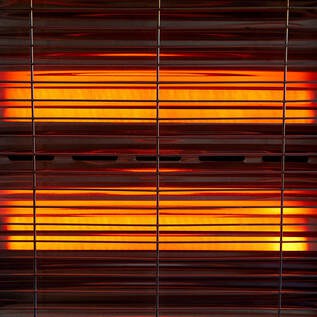
Electric heating has come a long way, and many homeowners are drawn to its convenience and flexibility. If you’re looking for something easy to maintain, electric heating systems may be your best bet. Here’s what makes electric heating so appealing:

  • Easier Installation and Maintenance: Electric heating is often easier (and cheaper) to install, especially if your home isn’t set up for natural gas. Plus, electric systems require less maintenance since they don’t use combustible fuel.
  • Eco-Friendly Choice:  If you’re environmentally conscious, electric heating could be a great choice, especially if your electricity comes from renewable sources like wind or solar. You’ll be reducing your home’s carbon footprint in the process.
  • Safe and Quiet: Electric heaters are quiet and don’t come with the risks associated with gas, such as carbon monoxide leaks. You can run your electric heater without worrying about harmful fumes.

On the flip side, electric does tend to be more expensive to operate than gas. Electric rates are generally higher than natural gas rates, and if you live in an area with frequent power outages, relying solely on electricity for heating can be risky in winter. Electric systems also take longer to heat a space, so you might have to be a bit more patient for that cozy warmth to kick in.
 

Gas vs. Electric Heating: Which Is Best for Your Home?

Which is Right for You?

So, which heating system wins the ultimate showdown? It really depends on your priorities. If you’re looking to save money in the long run and you’re already set up for gas, a gas furnace may be your best bet. If you’re looking for an easier, eco-friendly option and you’re okay with slightly higher operating costs, electric could be the answer.
Here are a few questions to ask yourself:

  1. What’s your budget?  While gas may be cheaper in the long run, electric heating often has a lower initial cost.
  2. How big is your space? For larger homes, gas heating might be more effective.
  3. Are you environmentally conscious?  Electric systems can be more sustainable, especially if paired with renewable energy.

So, Gas or Electric Heating? Let Us Help You Decide!

Choosing the right heating system can feel overwhelming, but you don’t have to make the decision alone. At HVAC Solutions, we’re here to help you find the best fit for your home and lifestyle. Our team can answer any questions, provide a detailed estimate, and even handle your installation and maintenance needs. Whether you’re leaning toward gas, electric, or still undecided, we’re just a call away. Stay warm and cozy this winter with the perfect heating system. Contact HVAC Solutions today!
Gas vs. Electric Heating: Which Is Best for Your Home?

KEY TAKEAWAYS:

    • Electric Heating:
      • Easier Installation & Maintenance: Lower initial costs and minimal maintenance.
      • Eco-Friendly Option: Especially when paired with renewable energy sources.
      • Safe & Quiet: No risk of harmful fumes and operates silently.
      • Higher Operating Costs: Typically more expensive to run than gas heating
  •  
    • Gas Heating:
      • Lower Operating Costs: Natural gas is typically cheaper than electricity, lowering monthly bills.
      • High Heat Output: Heats up quickly and efficiently, ideal for larger spaces.
      • SRegular Maintenance Required: Needs filter changes and inspections to stay safe.
      • Minor Risks: Requires carbon monoxide detectors due to potential leaks.
  •  
    • Choosing the Right System:
      • Consider budget, home size, and environmental impact.
      • Gas is efficient and cost-effective long-term; electric is safer, quieter, and greener.


When the temperature drops, having a reliable heating system makes all the difference. But if you’re looking to replace or install a new system, you’ve got a big decision ahead of you: should you go with a gas or electric heating system? Both have their perks, and the right choice depends on your home, budget, and even your lifestyle.
Let’s break down the differences, benefits, and a few things to consider when choosing between gas and electric heating. By the end, you’ll hopefully have a better idea of what will keep you cozy (and save you money) when those winter winds start blowing.

  •  


Gas Heating: The Traditional Powerhouse

Gas heating has long been a favorite for homeowners, and there are plenty of reasons why! If your home is already set up for natural gas, it’s usually the easiest choice. Here are some reasons why many people stick with gas:

  • Lower Operating Costs: Natural gas tends to be cheaper than electricity in most areas, meaning you’ll likely pay less each month to keep your home warm.
  • Higher Heat Output: Gas furnaces heat up fast, delivering strong, warm air almost immediately. So if you want to feel toasty as soon as you step in the door, gas is the way to go.
  • Efficiency for Larger Spaces: Gas heating can often handle bigger spaces better than electric options. If you have a larger home, a gas system might be more effective in reaching every corner.

However, gas heating does have some downsides to keep in mind. First, there’s an initial installation cost to consider, which can be higher than electric systems, especially if you’re adding gas lines. Second, gas furnaces require regular maintenance, like filter changes and professional inspections, to keep everything running safely and efficiently. And while gas heating is generally safe, there’s a minor risk of carbon monoxide leaks, so it’s essential to have a working carbon monoxide detector.

Electric Heating: The Modern, Eco-Friendly Option

Electric heating has come a long way, and many homeowners are drawn to its convenience and flexibility. If you’re looking for something easy to maintain, electric heating systems may be your best bet. Here’s what makes electric heating so appealing:

  • Easier Installation and Maintenance: Electric heating is often easier (and cheaper) to install, especially if your home isn’t set up for natural gas. Plus, electric systems require less maintenance since they don’t use combustible fuel.
  • Eco-Friendly Choice:  If you’re environmentally conscious, electric heating could be a great choice, especially if your electricity comes from renewable sources like wind or solar. You’ll be reducing your home’s carbon footprint in the process.
  • Safe and Quiet: Electric heaters are quiet and don’t come with the risks associated with gas, such as carbon monoxide leaks. You can run your electric heater without worrying about harmful fumes.

On the flip side, electric does tend to be more expensive to operate than gas. Electric rates are generally higher than natural gas rates, and if you live in an area with frequent power outages, relying solely on electricity for heating can be risky in winter. Electric systems also take longer to heat a space, so you might have to be a bit more patient for that cozy warmth to kick in.


Gas vs. Electric Heating: Which Is Best for Your Home?

Which is Right for You?

So, which heating system wins the ultimate showdown? It really depends on your priorities. If you’re looking to save money in the long run and you’re already set up for gas, a gas furnace may be your best bet. If you’re looking for an easier, eco-friendly option and you’re okay with slightly higher operating costs, electric could be the answer.
Here are a few questions to ask yourself:

  1. What’s your budget?  While gas may be cheaper in the long run, electric heating often has a lower initial cost.
  2. How big is your space? For larger homes, gas heating might be more effective.
  3. Are you environmentally conscious?  Electric systems can be more sustainable, especially if paired with renewable energy.

So, Gas or Electric Heating? Let Us Help You Decide!

Choosing the right heating system can feel overwhelming, but you don’t have to make the decision alone. At HVAC Solutions, we’re here to help you find the best fit for your home and lifestyle. Our team can answer any questions, provide a detailed estimate, and even handle your installation and maintenance needs. Whether you’re leaning toward gas, electric, or still undecided, we’re just a call away. Stay warm and cozy this winter with the perfect heating system. Contact HVAC Solutions today!

Latest Posts

The Ultimate Guide to Ducted Air Conditioning Maintenance Here’s how to best take care of ducted air conditioning

“I need a compact air conditioner. Are portable air conditioning units any good?” Great question! Portable air conditioners

“I’ve owned the same air conditioner for years, and it suddenly broke down! Why did my air conditioner